
At Bridgestone, our vision is to becom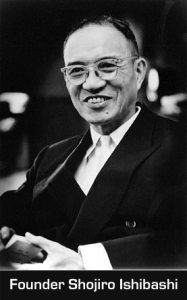 e a truly global enterprise and to establish the Bridgestone brand as the world’s No. 1 in both reputation and performance. Around the world, our entire team is dedicated to making this vision a reality.
The story of our dream begins in 1931, when Bridgestone Tire Co., Ltd. was founded in Kurume, Japan. Anticipating the growing role of tyres for passenger cars and the potential for international expansion, founder Shojiro Ishibashi chose an English translation of his surname for the company’s name — a decision that reflected his forward-looking vision for the future of the Bridgestone Group.
As Japan’s automobile industry flourished, Bridgestone grew to become the country’s largest tyre manufacturer. The company also expanded aggressively overseas, particularly across Asia. In 1988, Bridgestone acquired The Firestone Tire & Rubber Company, a respected global brand with its own long-standing history. This landmark acquisition transformed Bridgestone into one of the world’s largest tyre and rubber companies, creating a truly global team committed to delivering the highest standards of quality, service, and technology to customers everywhere.
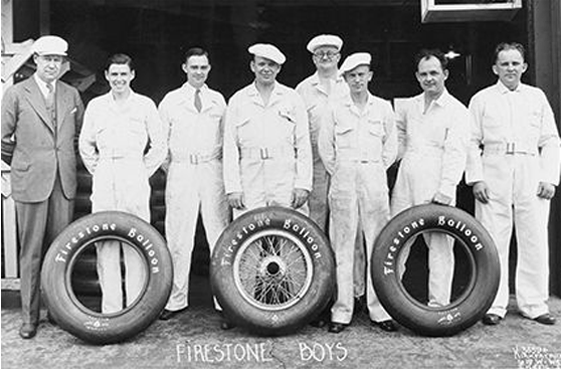
The “Firestone Boys” proudly showcased the innovative gum-dipped balloon tyres at the 1925 Indianapolis 500. Today, the Firestone brand continues its legacy as the exclusive tyre of both the Indianapolis 500 and the IndyCar Series.
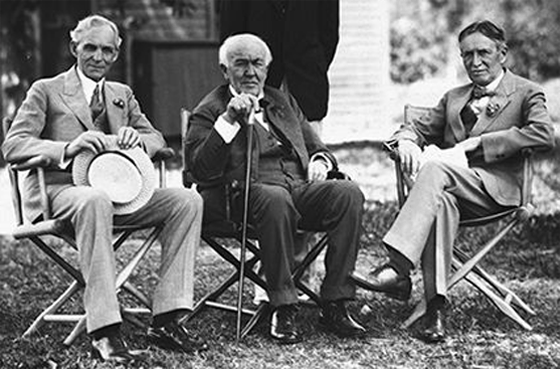
Lifelong friends: Harvey S. Firestone (right), founder of The Firestone Tire & Rubber Company; Thomas Edison (center); and Henry Ford (left).
At just seventeen, Shojiro Ishibashi took over his family’s clothing business in Kurume, Fukuoka Prefecture, in 1906. Driven by a dream to serve Japan beyond the scope of his family trade, Shojiro achieved remarkable milestones: he specialized in tabi (traditional Japanese socks), reformed the apprentice system, introduced standardized pricing, created Jika-tabi (socks with rubber soles used as work shoes), expanded the rubber shoe business, and even ventured into overseas production.
Leveraging the capital from the success of Jika-tabi and the rubber shoe business, Shojiro set his sights on an entirely new industry in Japan: tyre manufacturing. At a time when imported tyres dominated the market, he envisioned a future of motorized transportation in Japan and was determined to produce high-quality tyres domestically.
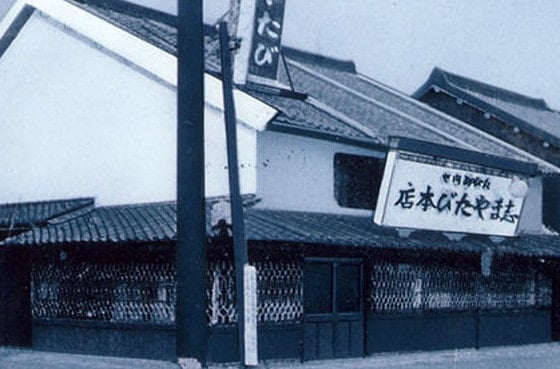
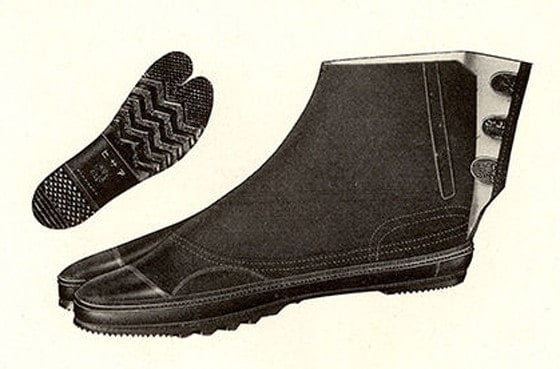
The very first Bridgestone tyre was produced on April 9th, 1930 by the Japan “Tabi” Socks Tyre Division. About a year later, on March 1st, 1931, founder Shojiro Ishibashi made the division independent, officially establishing Bridgestone Tire Co., Ltd. in Kurume, Fukuoka Prefecture.
From the beginning, Bridgestone focused on manufacturing tyres based entirely on Japanese technology. The early years presented many challenges in technology, production, and sales, but the company quickly improved its quality standards. This rapid progress allowed Bridgestone to expand both domestically and internationally, laying the foundation for its global success.
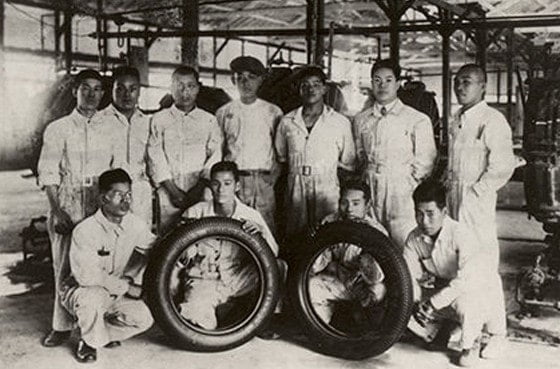
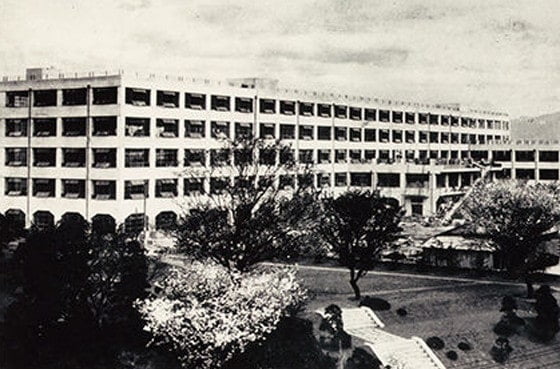
The very first Bridgestone tyre was produced on April 9th, 1930, by the Japan “Tabi” Socks Tyre Division. About a year later, on March 1st, 1931, founder Shojiro Ishibashi established the division as an independent company, officially founding Bridgestone Tire Co., Ltd. in Kurume, Fukuoka Prefecture.
From the start, Bridgestone focused on manufacturing tyres using solely Japanese technology. In its early years, the company faced significant challenges in technology, production, and sales. However, it quickly improved quality standards, allowing rapid business expansion both domestically and internationally.
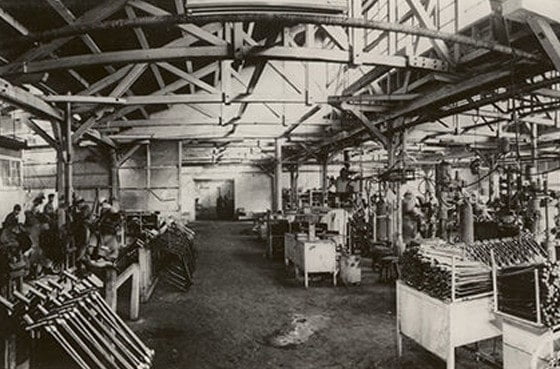
In 1951, Bridgestone became the first company in Japan to sell rayon cord tyres and launched a five-year project to modernize its production facilities. That same year, a new Bridgestone building opened in Kyobashi, Tokyo, housing the Bridgestone Museum.
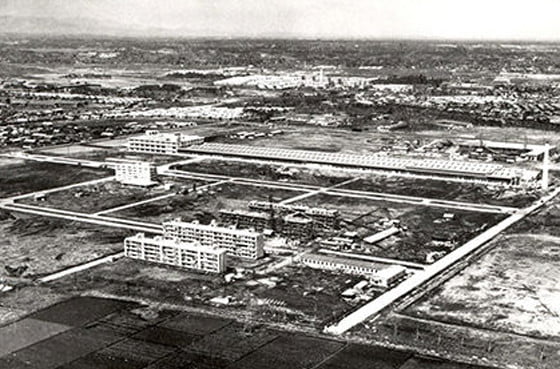
By 1953, sales had surpassed ten billion yen, securing Bridgestone’s position as a leader in Japan’s tyre industry. In 1956, the company celebrated its 25th anniversary in Kurume. Bridgestone continued innovating with the introduction of nylon tyres in 1959, and in 1960, a new Tokyo plant was opened to meet the growing demands of the expanding automotive market.
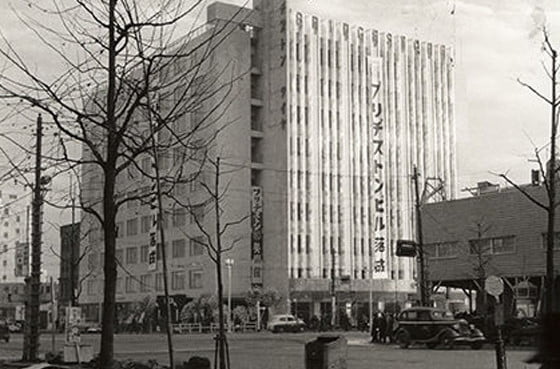
In 1961, Bridgestone was listed on the stock exchange and introduced a new management structure, with Shojiro Ishibashi as chairman and Kanichiro Ishibashi as president. During this transition, the company adopted the Deming Plan, a comprehensive approach to quality control.
In 1968, Bridgestone received the prestigious Deming Prize for excellence in quality management. Meanwhile, the Tokyo plant was expanded in 1962 to house a new Technical Center, and a progressive research and development system was established. On the product front, 1967 marked the sale of Bridgestone’s first passenger-vehicle radial tyre, the RD-10.
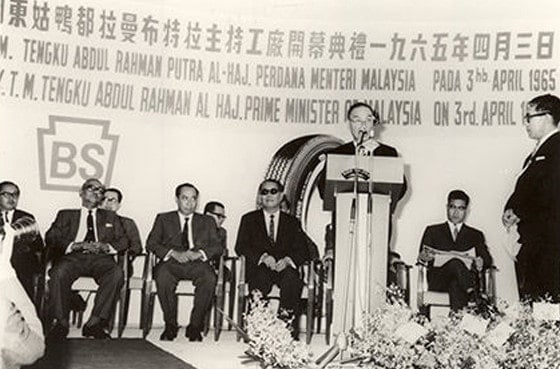
Bridgestone also began expanding overseas: the first post-war plant opened in Singapore in 1965, followed by production in Thailand in 1969. The 1960s were a decade of global growth, m
arked by the establishment of Bridgestone Tire Company of America in 1967, which served
as the company’s U.S. sales headquarters.
The oil shock of the early 1970s brought economic stagnation to Japan. Despite these challenges, Bridgestone focused on developing its own radial tyre technology and continued building new tyre plants in Japan.
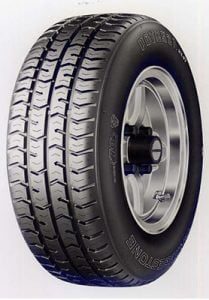
In 1978, the company launched the Super Filler Radial, followed by the release of the high-performance POTENZA radial tyre in 1979.
Bridgestone also expanded its international presence. Production began in Indonesia and Iran in 1976, alongside investments in a Taiwanese tyre manufacturer and the purchase of a tyre plant. In 1980, the company acquired a plant in Australia to manufacture tyres and diversified products.
Amidst this period of growth and global expansion, Bridgestone mourned the passing of its beloved founder, Shojiro Ishibashi, on September 11, 1976.
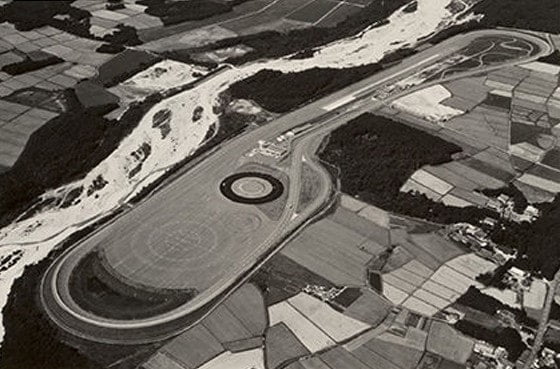
On March 1, 1981, Bridgestone celebrated its 50th anniversary. At the same time, the company focused on strengthening its domestic base while continuing its overseas expansion, aiming to become one of the world’s top three rubber product manufacturers.
As part of this strategy, Bridgestone purchased a tyre plant in Tennessee from the Firestone Tire & Rubber Company, marking its first manufacturing facility in North America. Production of truck and bus radial tyres began at the plant in 1983.
In May 1988, Bridgestone acquired The Firestone Tire & Rubber Company, transforming the company into one of the world’s largest tyre and rubber manufacturers. This acquisition provided Bridgestone with extensive production sites across North America, Central and South America, Europe, and beyond. In the same year, Bridgestone also began operations in Turkey under a joint management agreement.
To strengthen its corporate identity, Bridgestone Tire Co., Ltd. was renamed Bridgestone Corporation in 1984.
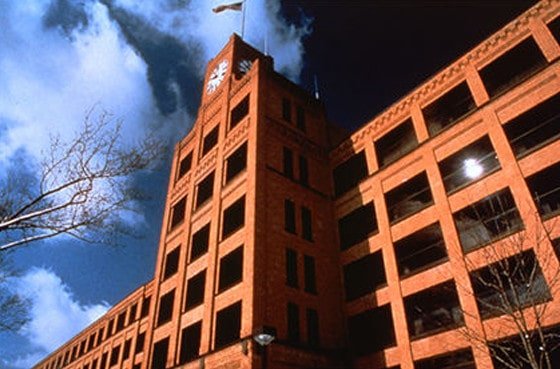

The successful integration with Firestone brought strong profits in 1992 and led to the establishment of a new European Headquarters and a new Americas Headquarters in Nashville, Tennessee.
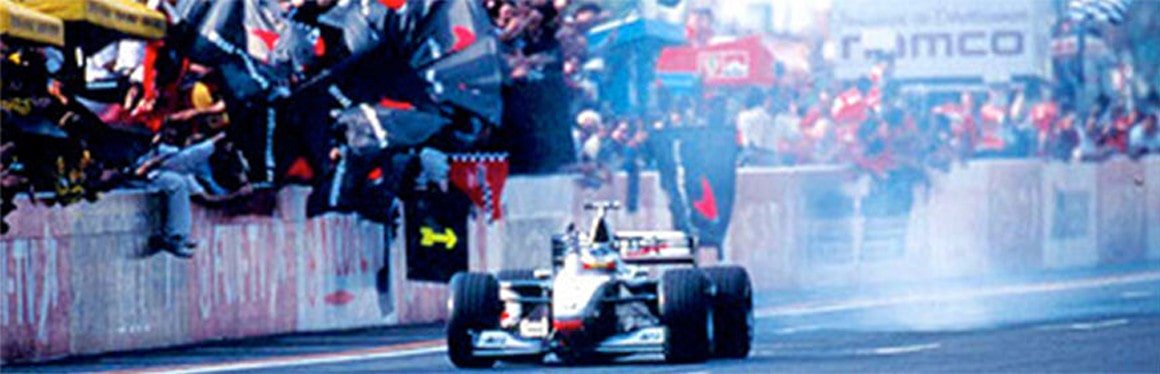
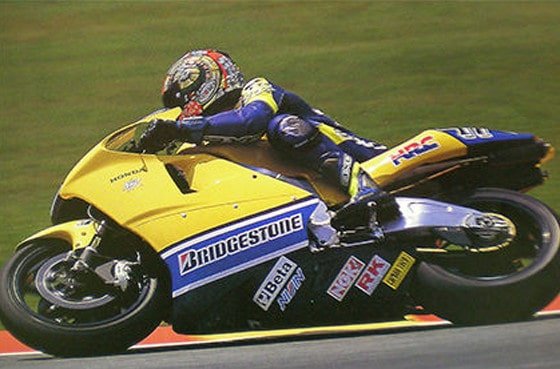
To strengthen brand awareness and build on Firestone’s motorsports legacy, Bridgestone re-entered the Indianapolis 500 and IndyCar racing in 1995, one of America’s most popular motorsports events. In 1997, the Bridgestone brand entered Formula 1, the world’s most advanced and prestigious form of racing.
New production facilities were also established in Thailand, India, Poland, China, the United States, and other countries as the company continued its global expansion, exporting and importing tyres and raw materials worldwide.
In 2000, the Chemical and Industrial Products Technical Center was built within the Yokohama Plant, serving as the innovation hub for Bridgestone’s growing Diversified Products Business.
In 2001, the Bridgestone global family adopted a new corporate philosophy centered on building “Trust and Pride” with its key stakeholders—employees, customers, and the communities where it operates.
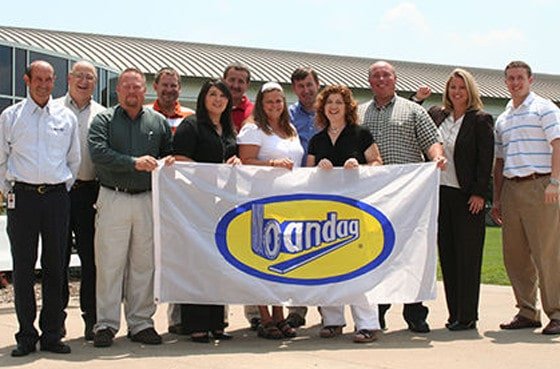
In 2007, Bridgestone acquired Bandag, Incorporated, a U.S.-based tyre retreader, enabling the company to offer truck and bus tyre customers worldwide a complete tyre solution, including both new and retreaded products and services.
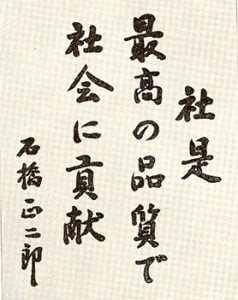
Bridgestone remains committed to being a world leader in tyre technology, developing the most advanced tyres and rubber products, and delivering world-class customer service. This dedication reflects the company’s “Passion for Excellence,” echoing the words of founder Shojiro Ishibashi: Bridgestone is devoted globally to “Serving Society with Superior Quality.”